Balance = Premature Optimization
1 May, 2026
Last December, my wife and I visited Germany on a belated honeymoon. Munich, Füssen, Dresden, Berlin. Based on the sheer quantity of bread and cheese devoured, I am confident that my genetic composition drifted from Homo sapiens to Homo caseins towards the end.


But the truth is, the constant stream of sights and delicacies were merely a distraction from an inner turmoil: my game development efforts.
Those efforts reached fruition a few weeks ago. I finally published Morris 2: The Gauntlet, an abstract strategy game available for Android and iOS. Desktop players can play it for free on Itch by clicking the banner below.
After some marketing on Reddit, Discord, and Itch, the release landed with a dull thud: the only purchase was by my dad. A veritable commercial catastrophe.
I spent about half a year on the game. It started last October with a concept that would fix the balance issues in Rise of the Half Moon, a popular Google Doodle. But by December, after having implemented a powerful heuristic AI, I concluded the underlying game balance issues were unresolvable.
Distraught but eager to persevere, I toured the castles of Germany snapping photos of historic game tables, hoping for some inspiration about where to take the project.

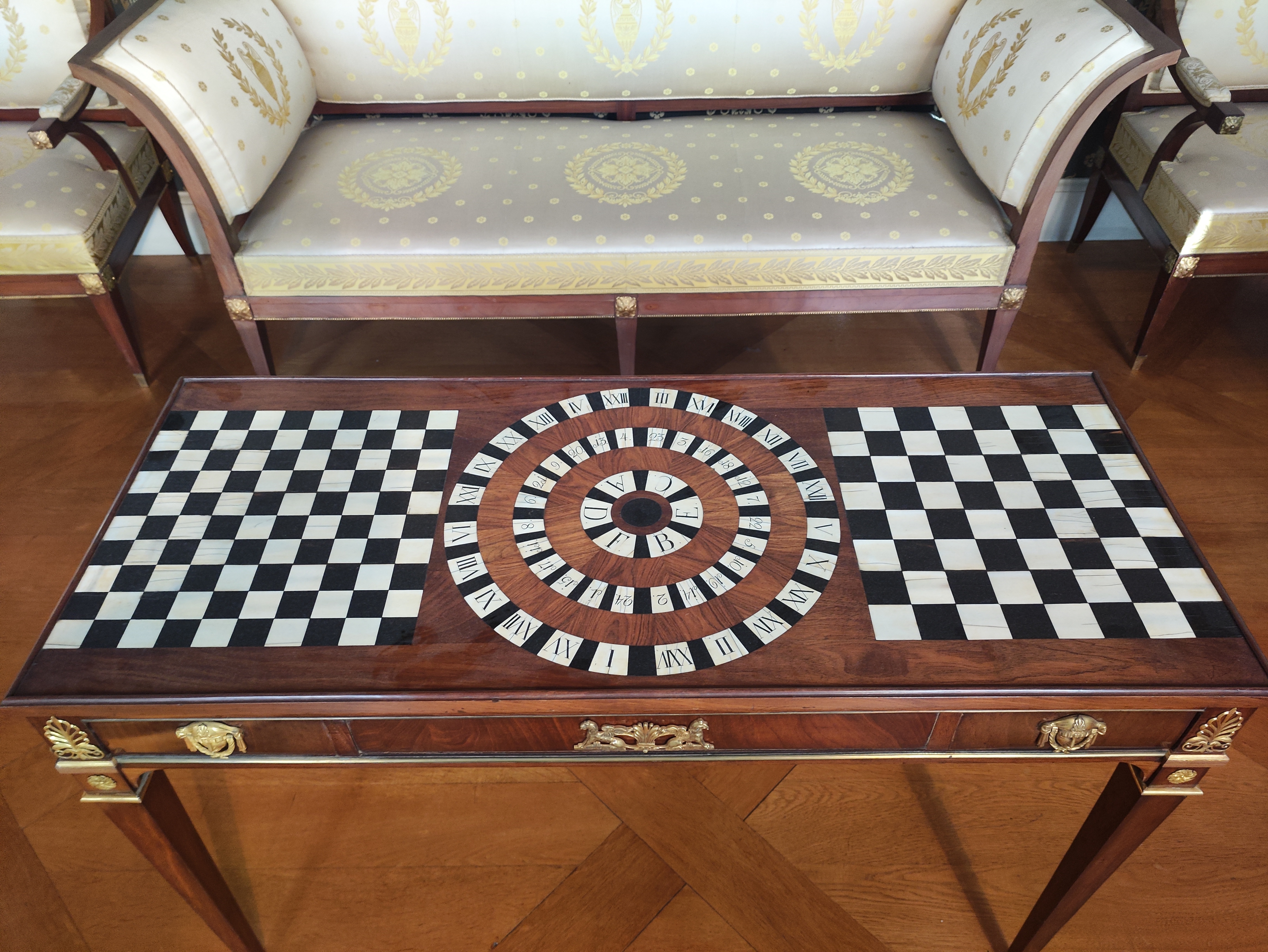
It turns out being a rich and powerful aristocrat is, as anticipated, a modestly boring affair. Aside from chess, games like checkers and backgammon were also staples of the bougie castle lifestyle. Further research on "games kings would have played" ultimately led me to Nine Men's Morris, which would go on to form the base mechanics of Morris 2.
It's really tough to tell when a game will have an audience or not. For Morris 2, I haven't performed sufficient marketing - or perhaps even launched to the right markets - to know if something innate to the game prevents it from selling. But at the end of the day, the most critical question I ask myself is: could I have found out any faster?
Here's me, "thinking" quite hard about it, at the Albertinum in Dresden.
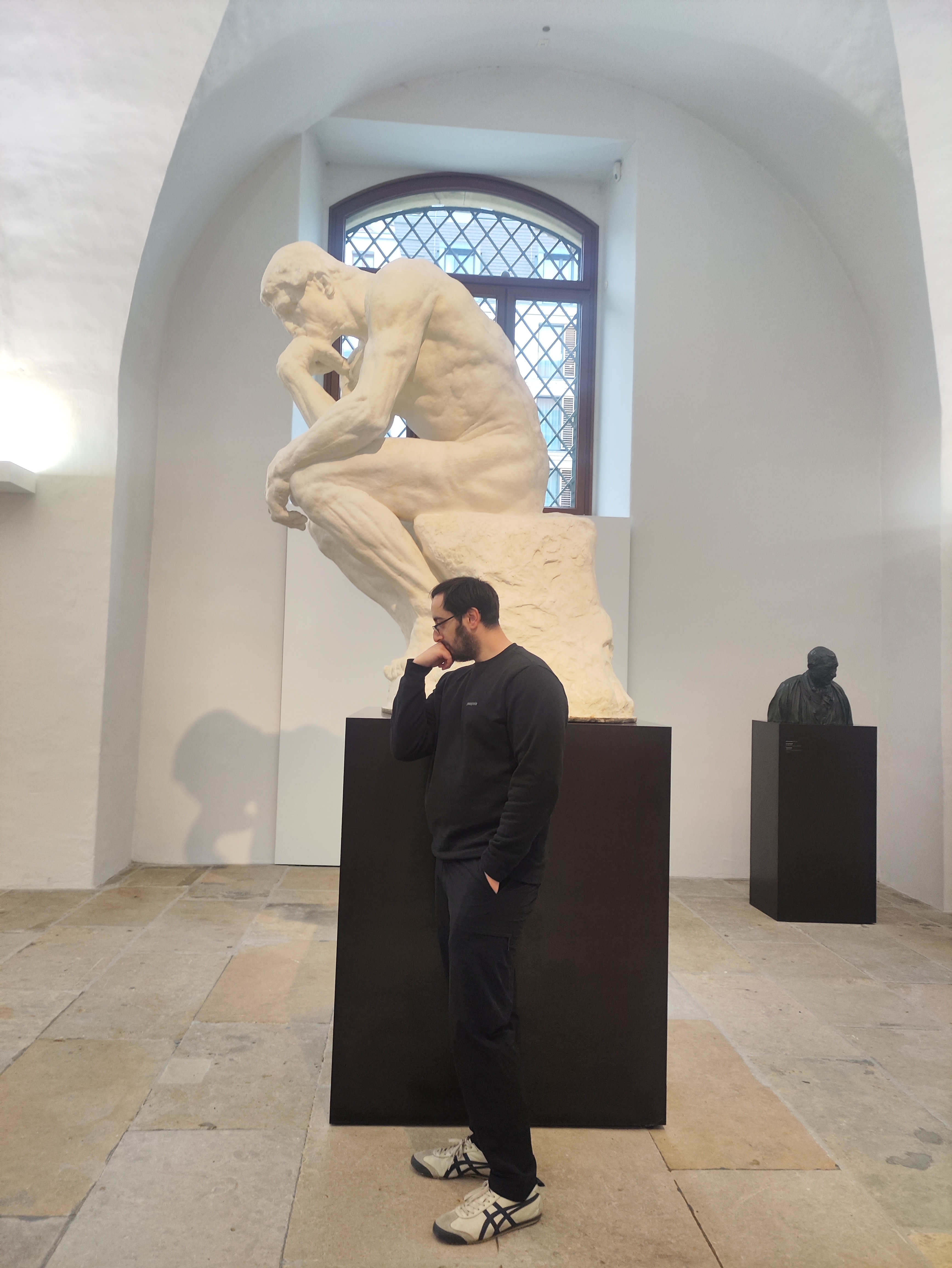
Yeah. I could have gotten there faster.
Morris 2 is the first time I designed a game while maintaining an iron grip on the game's balance. Developing the AI approaches and balancing mechanics with self-play arenas took approximately half the development time.
But upon release, what actually happened was the gameplay itself was insufficiently alluring. So why did I spend all that effort to make sure abilities had similar power levels, usage rates, and drawbacks?
I overinvested in the balance of a game that didn't have enough validation. I should have shipped the most trivial, greedy algorithm I could get my grubby little hands on, then kicked it out the door to see if it had legs long before the word "heuristic" even entered the codebase.
Even for an abstract strategy game, where balance and careful AI tuning literally define the experience, I can confidently conclude:
Balance is premature optimization.